
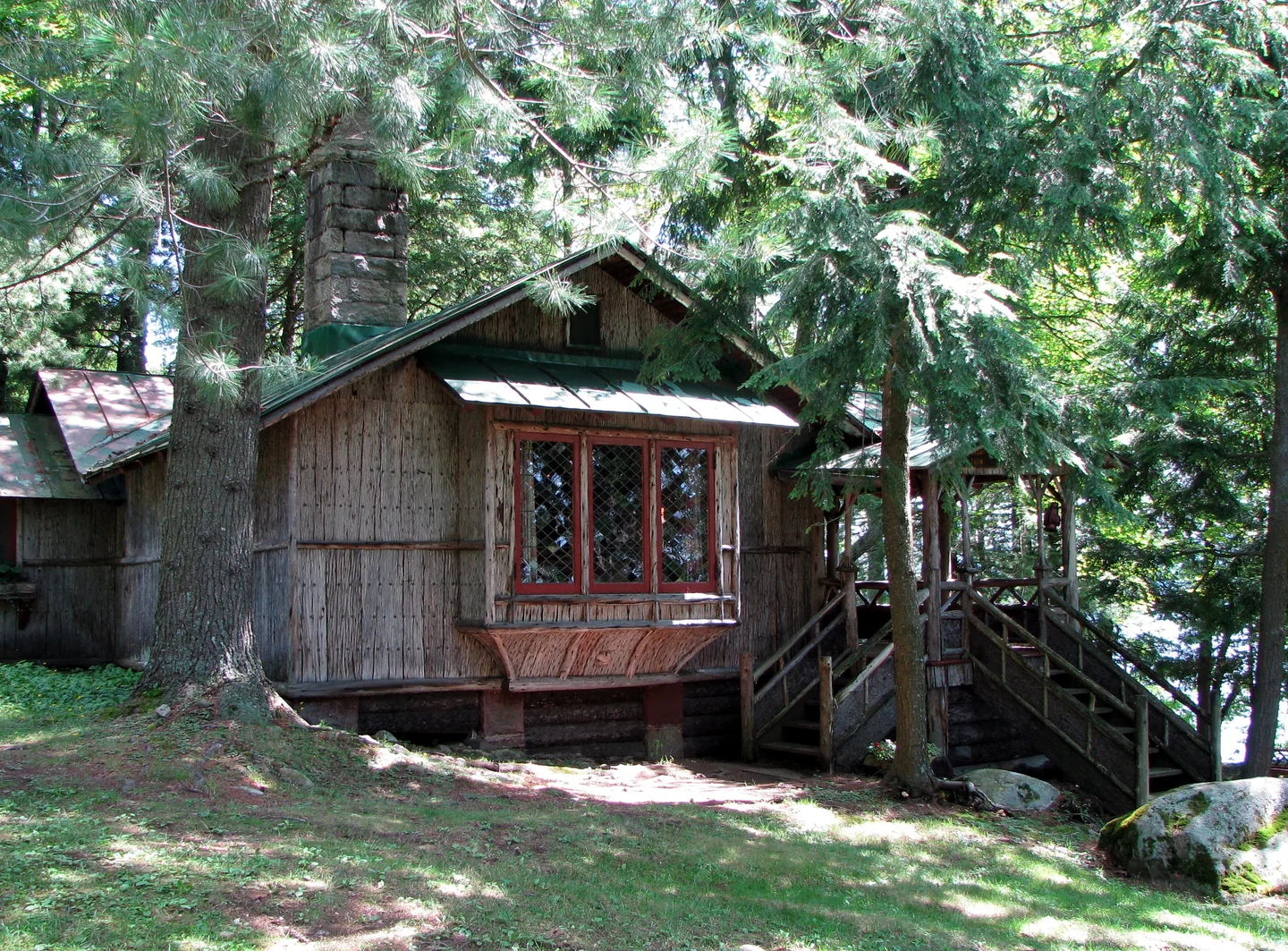
Perhaps you picture a few long weekends with the people you rarely get enough time to see. Perhaps it is a whole summer, with familiar walks and a place to leave a book between visits. Your idea might be quieter still. Give that picture some attention before the search begins. It is a useful starting point for finding a camp you will enjoy returning to.
Picture an ordinary day
Imagine breakfast, a wet afternoon and the evening when everyone wants to sit together. Think about who is likely to visit and how much space they would actually use. Would you prefer to spend your time on the water, in the woods or around the table? Let those everyday pleasures help shape the search.
Consider the pace you want as well. You may enjoy opening up a seasonal place each spring. You may want to arrive in January and settle in quickly. Say which matters to you, along with anything you would happily trade for a setting you love.
Make it easy to come back
A place needs to fit the time you have. Consider the journey from home, the route for bringing in supplies and what an arrival after dark would involve. Ask about access in every season you expect to visit, road maintenance and snow removal. Have your attorney review the agreements behind those arrangements.
For a camp reached by water, talk through parking, launching, boat storage and carrying groceries. Check mobile service and internet options if you need them. Getting comfortable with these details helps you picture an actual weekend, including the trip home.
Get to know the place you are choosing
Spend time understanding how you would reach and use the shoreline. Ask for the deed, available survey and any shared-access agreements, and have your attorney explain what comes with the property. Walk through which paths, docks, buildings and parcels are included.
Arrange an inspection suited to the camp and ask for records of significant repairs. Learn about the drinking water, wastewater system, heat, electrical service and seasonal opening and closing. If there are additional cabins, establish their permitted uses. These conversations help you decide how the place would accommodate the days you have in mind.
Leave room to care for it
Think honestly about the work you would enjoy. Some people want a few projects to make a place feel like theirs; others want their weekends available for visiting and getting outdoors. Either can be a sensible starting point. Match the camp's needs to the time and resources you want to give it.
Use current bills and written estimates to understand taxes, insurance, utilities, maintenance and any shared road costs. Set aside room for repairs, and find out who can help while you are away. Knowing those people and those costs makes the responsibility more manageable.
Know what you can make your own
You may see possibilities for a porch, an addition or another place for guests to stay. The Adirondack Park Agency's guidance explains that land classification, wetlands and shoreline rules can affect development. Shoreline restrictions can apply even when an APA permit is not otherwise required; a Jurisdictional Inquiry provides an agency response about a specific proposal.
Share important plans early with the relevant local officials and agencies, using the property's records and a clear description of what you hope to do. If renting the camp is part of your plan, confirm the local requirements and property restrictions before depending on that use. Give the ideas that matter to you a chance to be checked properly. 1, 2, 3
Tell me about the place you have in mind, even if the picture is still taking shape. We can start with what brings you to the Adirondacks and work through the details of finding a camp that fits.
Notes & further reading
Historical and ownership sources reviewed October 12, 2026. Photographs show the named heritage camps.